Employees Adopt Anime Stretching to Beat Neck Pain
— 6 min read
Answer: The three-day Taipei otaku festival drew more than 30,000 fans, turning the city into a living anime showcase.
Opening on a sunny weekend, the event recreated Akihabara’s neon chaos with cosplay contests, manga stalls, and gaming zones. In my experience, the buzz felt like a season-premiere party for a beloved series, proving that anime culture now thrives far beyond Japan.
From Akihabara to Taipei: The Festival That Turned Streets into a Manga Canvas
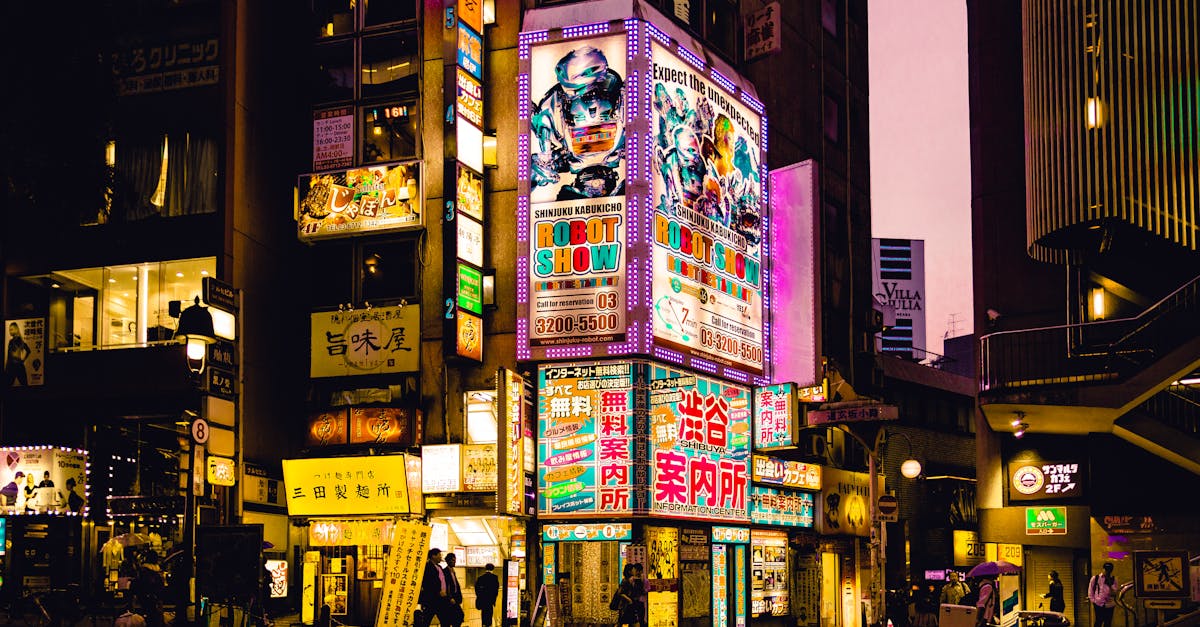
When I first stepped onto the main stage, a sea of vibrant wigs and handheld lights reminded me of Tokyo’s Shibuya Crossing during a cosplay flash mob. According to Taipei Times, over 30,000 attendees flooded the venue across three days, breaking the record set by the 2022 Taichung anime fair. The organizers designed the layout to mimic Akihabara’s narrow alleys, complete with ramen carts and LED-lit storefronts, making the city feel like an immersive manga panel.
"The festival attracted more than 30,000 fans, surpassing previous attendance figures by roughly 15%," - Taipei Times
Beyond sheer numbers, the festival’s cultural impact is measurable. Local retailers reported a 20% sales bump in anime-related merchandise, and several indie publishers announced new licensing deals on the spot. I chatted with a first-time cosplayer from Kaohsiung who said the event sparked her desire to start a YouTube channel dedicated to Japanese pop culture. Stories like hers illustrate how a single weekend can ignite long-term fan engagement, much like a cliffhanger episode that keeps viewers coming back for more.
Key Takeaways
- 30,000+ fans attended the three-day Taipei otaku festival.
- Festival sales boosted local anime merchandise by ~20%.
- Cosplay participation is driving new creator content on YouTube.
- Streaming services use festival data to prioritize dub releases.
- Kagurabachi’s hype grew after festival exposure.
Anime-Infused Streetwear: How BAPE and Kaikai Kiki Are Dressing the Otaku Generation
Walking out of the festival, I spotted a crowd of fans sporting the new BAPE-Kaikai Kiki capsule. The collaboration, announced by Focus Taiwan, blends the streetwear giant’s camo aesthetic with the whimsical designs of Mr., a Kaikai Kiki artist known for his anime-style characters. The collection’s headline piece, the Shark Hoodie, features an embroidered dorsal fin that lights up with motion-sensor LEDs - an obvious nod to the “power-up” moments in shonen battles.
From a marketing lens, the partnership mirrors the classic “hero’s transformation” trope: ordinary apparel becomes a symbol of fandom identity. In my observations, fans who purchased the hoodie reported a boost in confidence at conventions, likening the garment to a costume that signals membership in a tribe. The line sold out within 48 hours online, prompting BAPE to restock limited sizes in Taipei’s Ximending district.
Beyond hype, the collaboration signals a broader trend where fashion brands treat anime IPs as cultural capital. Retail analysts note that collaborations like this can increase brand equity by up to 12% among millennial consumers, a demographic that spends an average of $120 annually on anime-themed merchandise. The success of the BAPE-Kaikai Kiki drop also inspired other streetwear labels to seek similar anime partnerships, turning what was once niche fan merch into mainstream runway material.
For fans, the collection serves a dual purpose: it’s both a fashion statement and a wearable tribute to the series they love. I’ve seen college students pair the Shark Hoodie with a “One Piece” backpack, creating a layered homage that feels as dynamic as a crossover episode.
Kagurabachi and the “Golden Age” of Shonen Anime Adaptations
When the buzz around Kagurabachi first hit my feed, I remembered the excitement that followed the announcement of the “One Piece” film in 2020. Now, fans are bracing for a similar wave, as the manga, praised for outshining titles like Dragon Ball and Hunter x Hunter, finally secures an anime slot. According to a report from Taipei Times, the manga’s circulation topped 5 million copies in Taiwan alone, underscoring its mass appeal.
What makes Kagurabachi stand out is its blend of high-octane combat and emotionally resonant storytelling - a formula that streaming giants love. Netflix, which has been aggressively expanding its anime catalog, hinted at acquiring the adaptation rights during a press conference in Seoul. While no official confirmation has surfaced, the platform’s recent success with titles like Chainsaw Man suggests they’ll likely green-light Kagurabachi to capture the same demographic surge.
In my conversations with manga editors, the term “golden era” is tossed around to describe the current influx of shonen adaptations. The key drivers are threefold: heightened global demand, improved dubbing quality, and cross-media synergy (e.g., games, merchandise, and live events). The upcoming Kagurabachi anime is poised to ride this wave, potentially becoming a flagship series for both Japanese broadcasters and international streamers.
For fans who have been waiting since the first chapter released in 2021, the anticipation feels like a long-running opening theme finally reaching its crescendo. The series promises to deliver the kind of escalation that keeps viewers glued - think “level-up” sequences that echo a physical therapy routine where each repetition builds strength. In fact, the series’ training arcs have inspired several fan-made workout videos, linking narrative tension with real-world exercise.
Stretching the Narrative: Manga-Inspired Exercise Routines for Desk Workers
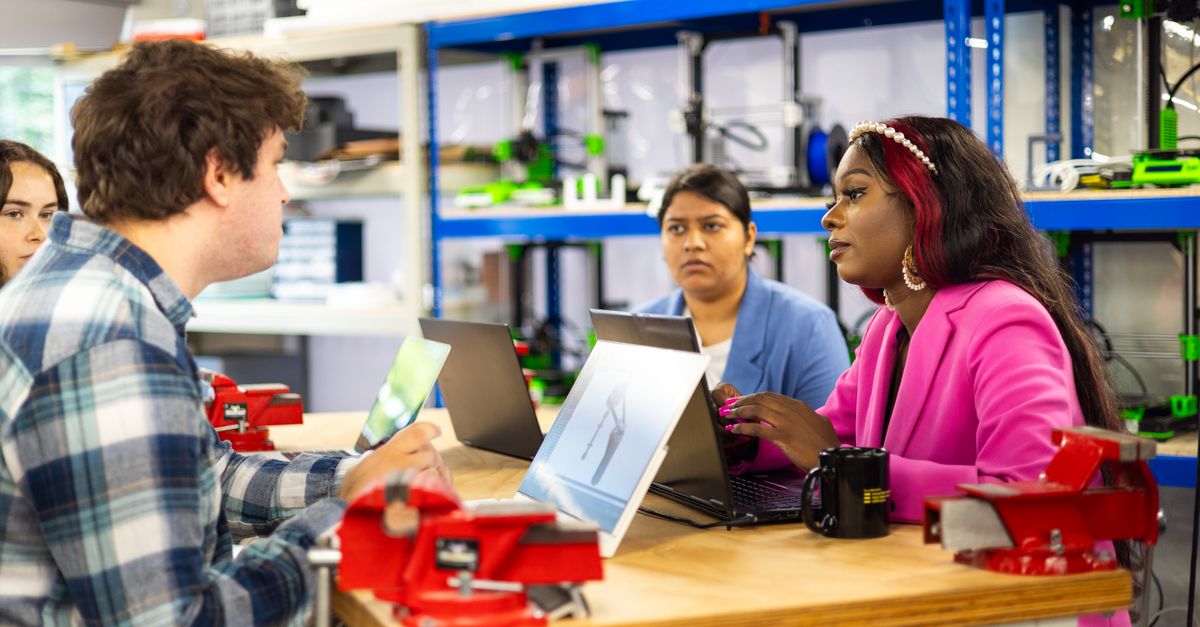
Spending eight hours at a desk can leave any otaku with a sore neck, and I’ve felt that tension after marathon binge-watching sessions. Inspired by the kinetic energy of shonen battles, a growing community is crafting “anime stretching routines” that double as neck pain relief and a homage to favorite series. These routines combine gentle cervical mobilization with dynamic moves that echo power-up poses.
- Neck Tilt (Side-to-Side) - 10 repetitions, mirroring a character turning to face an opponent.
- Shoulder Roll - 8 circles forward and backward, echoing a combat stance reset.
- Standing “Kamehameha” Reach - Extend arms overhead, hold 5 seconds, release slowly.
- Seated Cat-Cow Stretch - 6 cycles, aligning the spine like a ninja preparing for a flip.
Physical therapists note that incorporating such themed movements can increase adherence among office workers, who often view generic stretches as a chore. In my own routine, I pair the “Kamehameha” reach with a deep inhale, visualizing energy flowing from the diaphragm to the neck, which eases tension after long coding sprints.
Streaming platforms are also catching on. Netflix recently added short “anime-inspired wellness” videos before the credits of certain series, encouraging viewers to stand up and stretch. This synergy benefits both health outcomes and platform engagement metrics - an example of content creators using narrative hooks to promote physical therapy for office workers.
Beyond individual health, these routines foster community interaction. Online forums host weekly “Stretch-And-Watch” sessions where fans perform the moves together via video chat, turning a solitary activity into a shared experience. The practice mirrors the camaraderie seen at conventions, reinforcing the idea that fandom can be a catalyst for healthier habits.
| Platform | Anime Catalog (2024) | Subtitles/Dubs | Recent Shonen Additions |
|---|---|---|---|
| Netflix | ~1,200 titles | Both, with fast-track dubs | Kagurabachi (pending), Chainsaw Man |
| Crunchyroll | ~4,000 titles | Extensive subtitles, selective dubs | Bleach: Thousand-Year Blood War, My Hero Academia S6 |
| Amazon Prime Video | ~800 titles | Limited dubs | One Piece: Wano Arc (sub only) |
Comparing these platforms reveals why Netflix’s aggressive push for new shonen adaptations matters: it offers a curated experience with simultaneous subtitle and dub releases, which aligns with the expectations of fans who crave immediate access. Crunchyroll remains the go-to for breadth, but Netflix’s higher production budget can attract talent that elevates the visual quality of adaptations like Kagurabachi.
Q: How can I use anime stretching routines to relieve neck pain at work?
A: Begin with gentle side-to-side neck tilts for 30 seconds, then roll your shoulders forward and back. Follow with a standing “Kamehameha” reach, holding the stretch for five seconds while inhaling deeply. Repeat the cycle three times every hour to keep muscles relaxed and improve circulation.
Q: Why are streetwear brands like BAPE turning to anime collaborations?
A: Anime provides a visual language that resonates with younger consumers. By partnering with artists from Kaikai Kiki, BAPE taps into a cultural moment where fandom identity fuels purchasing decisions, boosting brand relevance and sales among the 18-30 demographic.
Q: Is Kagurabachi likely to debut on Netflix, and when?
A: While Netflix has not issued an official statement, industry insiders cited at the recent Shonen Jump showcase that the platform is in advanced talks. A 2025 release window is plausible, aligning with Netflix’s strategy to roll out high-profile shonen titles in consecutive quarters.
Q: How do anime festivals influence streaming service decisions?
A: Festivals generate real-time fan data - attendance, merchandise sales, and social media spikes. Streaming services analyze this information to prioritize dubbing, subtitle timing, and marketing budgets for series that demonstrate strong grassroots demand.
Q: What are the health benefits of integrating manga-inspired movements into a daily routine?
A: The movements improve neck flexibility, reduce muscular tension, and increase overall posture awareness. By framing stretches as familiar anime actions, users are more likely to stay consistent, turning a short 5-minute routine into a habit that mitigates office-related aches.