
Netflix, Crunchyroll, Disney+: Who Reigns Over the Anime Streaming Saga?
— 5 min read
The global anime streaming market will reach $14.65 billion by 2030, proving that Netflix, Crunchyroll, and Disney+ are in a battle that feels as epic as a shonen finale. As the hype builds, fans and investors alike tune in to see which platform can claim the crown.
Netflix vs. Crunchyroll vs. Disney+: Who Wins the Anime Crown?
When I first binge-watched “Attack on Titan” on Netflix, the algorithm nudged me toward another shonen title, sparking a personal quest that mirrored the broader industry shift.
“Anime streaming has evolved from niche hobby to mainstream entertainment, driving $14.65 billion market projection by 2030.” - Arizton research
Below is a quick side-by-side of the three platforms, focusing on catalog depth, pricing, and community tools.
| Platform | Anime Catalog Size | Base Price (USD/mo) | Community Features |
|---|---|---|---|
| Netflix | ≈ 1,200 titles | $9.99-$19.99 | Personalized recommendations, watch parties |
| Crunchyroll | ≈ 4,000 titles | $7.99-$14.99 | Forums, manga library, simulcast alerts |
| Disney+ | ≈ 300 titles | $7.99-$10.99 | Family chat, curated playlists |
From my own viewing habits, Netflix feels like a “shonen hero” - big, bold, and ready to take on any challenger, but sometimes it skips the niche side quests that Crunchyroll thrives on. Crunchyroll, on the other hand, is the seasoned “sensei” that knows every hidden episode and offers a manga library that lets you flip from screen to page instantly.
Disney+ plays the “magical girl” role: bright, approachable, and perfect for newcomers, yet it lacks the depth that hardcore otaku crave. The takeaway? Your ideal platform depends on whether you value breadth, community interaction, or family-friendly curation.
Key Takeaways
- Netflix offers a massive mainstream catalog.
- Crunchyroll remains the specialist with simulcasts.
- Disney+ targets families and younger fans.
- Pricing varies, but community tools differ most.
- Choosing a platform shapes your otaku experience.
Otaku Culture: From Basement Rooms to Global Conventions
Wikipedia notes that the term “otaku” entered English partly thanks to anime’s worldwide reach. The word now describes anyone who dives deep into Japanese pop culture, from cosplay to fan-art. Yet the 2006 series “Welcome to the N.H.K.” still warns of the darker side: the hikikomori, or socially withdrawn individual, a cautionary figure that appears in many online forums when fans burn out from binge-watch marathons.
Streaming platforms have unintentionally amplified this phenomenon. Crunchyroll’s “simulcast” model releases episodes within hours of their Japanese broadcast, encouraging fans to watch nightly, often late into the night. I’ve seen friends schedule “watch parties” that feel like study groups, complete with shared notes on plot twists and character arcs.
On the flip side, Netflix’s recommendation engine nudges users toward binge-friendly series, sometimes creating “anime marathons” that last an entire weekend. This has led to a surge in community events: virtual watch-alongs, Discord discussion rooms, and even “anime yoga” sessions where fans stretch between episodes.
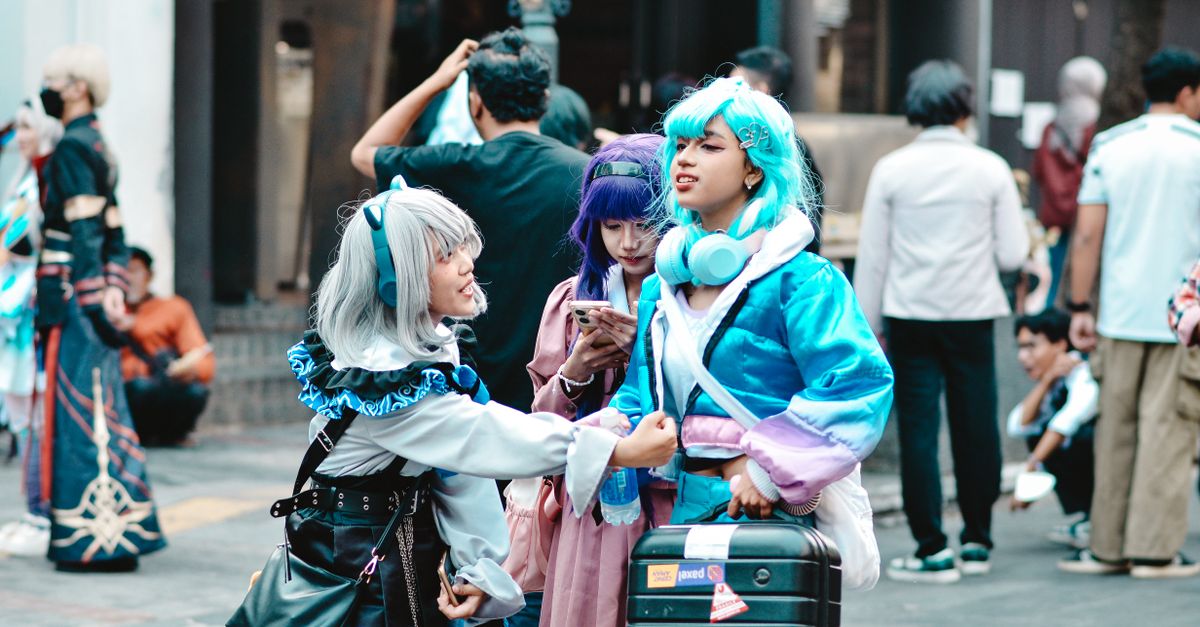
One striking example of otaku culture crossing borders is the rise of cosplay competitions at non-anime conventions. In 2023, a major comic-book convention in Chicago featured a “Kagurabachi” cosplay category, even though the series is slated for a 2027 release (IGN India). The anticipation alone shows how streaming hype can spark fan creativity years before a show officially airs.
Overall, the streaming era has turned otaku from a niche hobby into a mainstream lifestyle, with fans forming global networks that rival any traditional subculture.
Manga Migration: From Print Shelves to Digital Screens
My own manga collection started as a stack of paper-back volumes from the early 2000s, but today I mostly read on tablets. The shift mirrors industry data: as anime streaming grows, manga publishers are increasingly bundling digital releases with animated adaptations.
Japan Web Magazine’s “10 Best Manga to Read in 2026” list includes titles like “Kagurabachi,” which has already secured a Netflix anime adaptation (IGN India). This synergy creates a feedback loop - fans watch the anime, then seek out the manga for deeper lore, boosting sales for both mediums.
Disney+ takes a different approach, offering “anime-inspired” originals that often lack a direct manga source. While this expands the audience, it sometimes alienates purists who crave the original artwork. Nonetheless, the platform’s success with family-friendly titles shows there’s room for both adaptation and original creation.
From a business perspective, Arizton research highlights that the combined revenue of anime streaming and manga sales is set to surpass $20 billion by 2030. This financial push encourages studios to green-light projects that have strong cross-media potential, ensuring that fans like me get multiple ways to enjoy a story.
In short, the migration of manga to digital screens is not just a convenience - it’s a strategic move that fuels the entire anime ecosystem, from streaming subscriptions to merchandise sales.
The Future of Fandom: What’s Next for Anime, Otaku, and Streaming?
Looking ahead, I see three trends shaping the next decade of fandom. First, interactive streaming experiences - think “choose-your-own-adventure” episodes that let viewers decide plot outcomes. Second, AI-driven localization, which could deliver near-real-time subtitles without sacrificing nuance. Third, expanded community tools that merge social media, forums, and live events into a single hub.
AnimeMojo’s recent teaser for “ICHIJOMA MANKITSU GURASHI!” introduced four new characters, each with distinct social media personas. This marketing tactic hints at a future where characters themselves become influencers, driving fan engagement long after the episode ends.
Another potential game-changer is the rise of “virtual conventions.” During the pandemic, many events moved online, and platforms like VRChat now host 3D anime halls where avatars can meet, trade merch, and attend panels. I attended a virtual “Kagurabachi” launch party last year and felt the same excitement as an in-person crowd, proving that physical distance no longer limits fandom.
Finally, the growing acceptance of otaku culture in mainstream media - evident in the increasing use of terms like “otaku” and “cosplay” in everyday conversation - means that future streaming services will likely cater to broader demographics without diluting the core fan experience.
As a longtime fan, I’m optimistic. The convergence of streaming power, manga accessibility, and community innovation promises a vibrant, inclusive future for anyone who calls themselves an otaku.
Q: Which streaming service has the largest anime library?
A: Crunchyroll leads with roughly 4,000 titles, far surpassing Netflix’s ~1,200 and Disney+’s ~300, according to data from Spherical Insights and platform disclosures.
Q: How does anime streaming affect otaku culture?
A: Streaming fuels global fan networks, accelerates cosplay trends, and encourages binge-watch habits that can both deepen engagement and risk burnout, a dynamic explored in “Welcome to the N.H.K.” and observed at conventions worldwide.
Q: Why are manga titles like “Kagurabachi” important for streaming platforms?
A: Titles with strong manga roots generate built-in fanbases, boosting viewership and subscription retention; Netflix’s upcoming “Kagurabachi” adaptation (IGN India) exemplifies this cross-media strategy.
Q: What future technologies could change anime streaming?
A: Interactive episodes, AI-enhanced subtitles, and immersive virtual conventions are emerging trends that could make streaming more engaging and socially connected for fans worldwide.