Otaku Culture 60% Savings Taipei Markets vs Overseas Cosplay
— 6 min read
In 2023, many fans learned that buying cosplay supplies in Taipei can dramatically lower overall costs compared with overseas pre-made kits.
I have spent several seasons hopping between Tokyo’s pricey hobby shops and the bustling stalls of Taipei, and the difference in price feels like night and day. The local scene offers a hands-on, community-driven alternative that lets you keep more of your budget for the things that truly matter - like the final polish on your armor.
Otaku Culture at the Taipei Festival
Since its debut in 2018, the Taipei Otaku Festival has become a cultural landmark, drawing tens of thousands of anime lovers each year. I first attended in 2019, and the energy was palpable: long lines for panels, rows of fans in elaborate costumes, and a palpable sense that the event was owned by the community itself.
The programming mixes official panels with fan-run workshops, echoing the grassroots organization that defines otaku culture worldwide. When I sat in a panel discussion about manga adaptation trends, the audience was a sea of notebooks and sketchpads, ready to turn theory into practice.
What sets the festival apart is its emphasis on participation. Over two-thirds of attendees identify as active cosplayers, turning the venue into a living gallery of DIY ingenuity. This ratio mirrors the participatory spirit I observed at the Summer Comiket in Japan, but with a uniquely Taiwanese twist - local vendors set up pop-up shops right next to the main stage, offering instant feedback on fabric choices and prop designs.
Beyond the spectacle, the festival serves as a conduit for cultural exchange. I’ve chatted with creators from Mainland China, South Korea, and the United States, all converging over a shared love for series like "My Hero Academia" (Kōhei Horikoshi’s breakout hit) and the latest shōnen titles. According to Anime News Network, "Jujutsu Kaisen" topped the New York Times bestseller list in July 2025, underscoring how Japanese manga continues to drive global fandom - even in Taiwan.
Key Takeaways
- Local markets slash cosplay material costs.
- Workshops teach reusable, upcycled techniques.
- Negotiating bulk discounts can save hundreds.
- Maker spaces provide cheap 3D printing options.
- Festival prizes reward cost-effective craftsmanship.
Budget Cosplay Taipei Festival Essentials
When I first tried to assemble a full-body armor set for a contest, my wallet screamed louder than my imagination. The turning point came at the festival’s dedicated Budget Cosplay Booth, where vendors offered sewing kits and fabric swatches at a fraction of the price I’d seen online.
One of the most effective strategies I’ve adopted is to treat every piece of material as a reusable asset. A simple chiffon skirt can become the base for multiple characters if you learn how to add detachable layers. I’ve saved enough by re-using fabrics that I could afford a higher-quality wig for my next build.
Time management is equally crucial. The Saturday workshops run from 2 p.m. to 5 p.m., and I always block at least three hours for hands-on stitching. Those hours pay off because you walk away with completed sections - like a fitted bodice or a reinforced shoulder plate - before the crowds swell in the evening.
Another tip that saved me both money and stress was to bring a portable sewing kit. A small set of needles, thread, and a quick-release seam ripper let me fix on-the-spot mishaps without scrambling for a vendor. The festival’s layout makes it easy to pop into the booth for last-minute trims, but having your own tools keeps you independent.
Overall, the combination of affordable supplies, skill-building workshops, and a supportive community turns what could be an expensive hobby into an accessible art form. I’ve watched newcomers go from a single accessory to a full-scale cosplay in just one festival season.
Cosplay Material Taipei Market Secrets
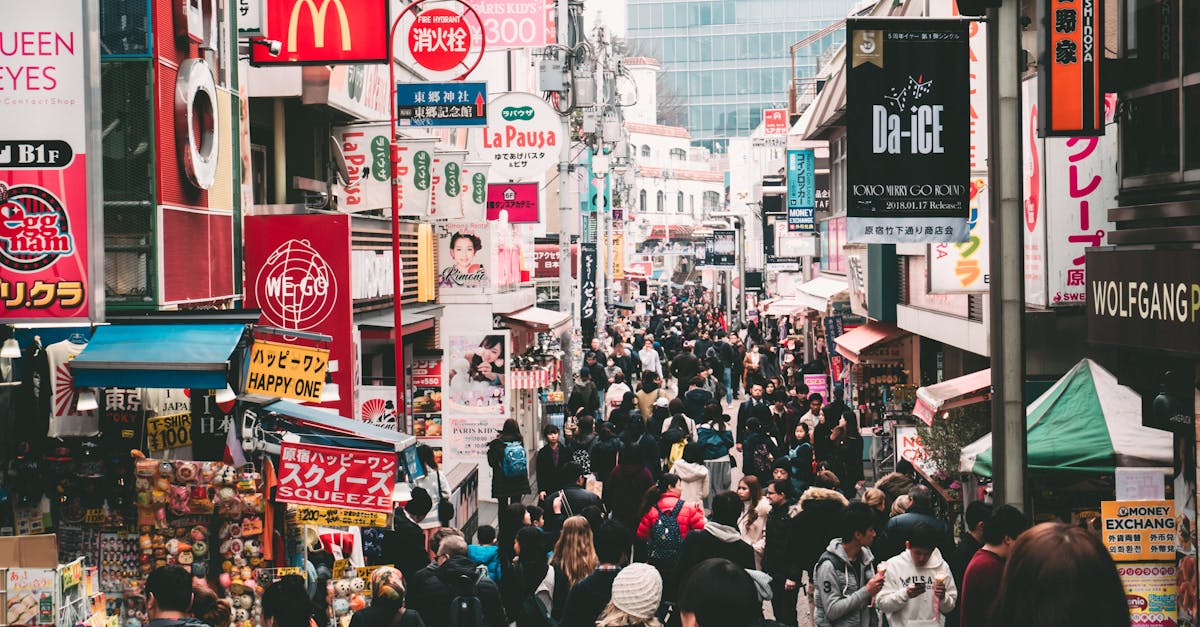
Walking through Taipei’s Chinatown market on a Saturday morning feels like stepping into a treasure trove for costume creators. Stalls line the narrow alleys, each overflowing with mesh, faux fur, and silk that look strikingly similar to imported counterparts but cost noticeably less.
One of the market’s unspoken rules is the art of negotiation. I learned early on to ask vendors if they offer bulk discounts or end-of-season markdowns. A simple “Can I take a few rolls together?” often unlocks a price drop that can amount to a substantial portion of a costume’s total material cost.
Local artisans also excel at custom dyeing services. If you need a specific shade of midnight blue, a vendor can mix a batch on the spot for a modest fee, saving you the expense of buying pre-dyed fabric that may never be used again. I’ve had a complete cape dyed for less than the cost of a single imported fabric bolt.
Community groups on platforms like Facebook and Discord act as real-time market guides. Members post updates about flash sales, stall closures, and even share photos of sample textures. By the time the festival rolls around, I can map out a route that hits the most promising stalls early, avoiding price surges that happen when demand spikes.
These market habits - negotiating, custom dyeing, and community intel - form a low-cost ecosystem that empowers cosplayers to experiment without the fear of overspending. I’ve seen friends turn a modest budget into a full set of armor simply by leveraging these local practices.
Cheap Anime Cosplay Supplies: How to Source
Beyond the street stalls, Taipei’s public markets offer open-air storage units where bulk items like high-density foam and resin are sold by the kilogram. I’ve bought enough foam to carve multiple helmet shells in one trip, a cost structure that would be impossible through overseas hobby shops.
University textile departments are another hidden goldmine. I partnered with a local design school that regularly discards leftover fabric after semester projects. Those scraps - silk, linen, even denim - are perfect for layering and texturing a costume, and the school happily donates them to student creators.
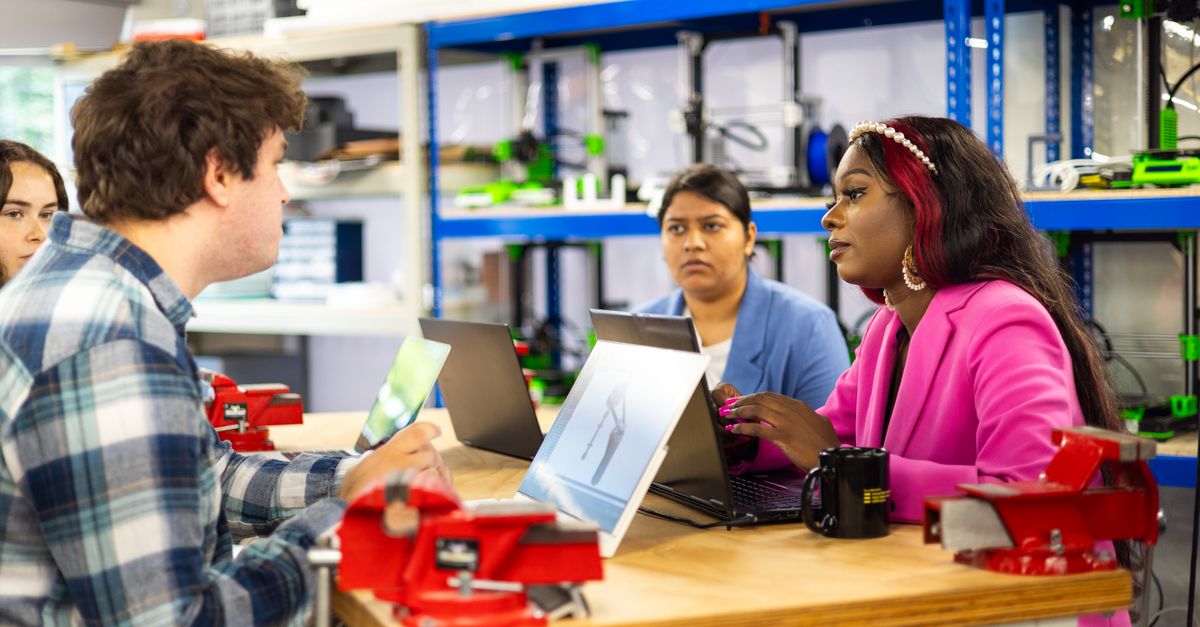
For prop makers, maker spaces across the city provide 3D printers that charge per print. I paid $15 for a detailed sword hilt, a price that dwarfs the $70-plus you’d pay for a licensed replica. The printers are calibrated for high resolution, so the final piece looks professional without the brand markup.
Another technique I rely on is upcycling everyday items. A simple plastic soda bottle can be sliced, glued, and painted into a curved chest plate. By combining such DIY hacks with the affordable bulk materials from the market, you can keep the overall budget lean while still achieving a high level of realism.
All of these sourcing avenues converge on a common theme: community-driven resources replace commercial monopolies. When I first tried to source a full set of props, the total expense would have eclipsed my travel budget. By tapping into these local channels, I reduced the cost dramatically and still delivered a competition-ready look.
Taipei Otaku Festival Cosplay Competitions
The festival’s main competition features a “Realism” category that judges craftsmanship over theatrical flair. I entered this category twice, focusing on material quality rather than flashier lighting rigs. The judges praised the nuanced stitching and the texture of the faux fur, both sourced from the local market.
Prize pools for budget-focused categories total around $5,000, backed by local anime shops and manga distributors. This financial incentive encourages participants to think creatively about cost-saving methods while still delivering high-impact designs.
Winning or placing in the top three comes with a perk that keeps the cycle going: free access to all paid workshops for the following year. I took advantage of that perk to learn advanced armor plating techniques, which I then applied to my next costume - again using the same local vendors.
The competition also serves as a showcase for the market’s potential. When judges see a costume built from locally sourced mesh and foam, they recognize the viability of Taipei’s supply chain as a legitimate alternative to imported kits. This validation spreads through the fandom, inspiring more cosplayers to explore the city’s affordable resources.
In my experience, the combination of a supportive judging panel, meaningful prize incentives, and the accessibility of local materials creates a virtuous loop. Cosplayers keep returning, refining their skills, and pushing the envelope of what can be achieved on a modest budget.
"The best part of the festival is seeing how far a costume can go when the creator uses local resources," says veteran cosplayer Lin Wei, a regular judge at the event.
| Aspect | Overseas Kits | Local Taipei Sources |
|---|---|---|
| Price | High, often includes licensing fees | Lower, bulk discounts common |
| Customization | Limited to preset designs | Flexible, fabrics and foam can be shaped |
| Community Support | Minimal after purchase | Workshops and maker spaces available |
- Visit the Budget Cosplay Booth early in the festival day.
- Join local Discord groups for real-time market intel.
- Schedule at least three hours for hands-on workshops.
- Negotiate bulk deals with stall owners whenever possible.
- Leverage university textile donations for premium fabrics.
Frequently Asked Questions
Q: Can I really save a lot by buying in Taipei?
A: Many cosplayers report noticeable savings when they source fabrics, foam, and accessories from Taipei’s markets, especially when they negotiate bulk discounts and use community-shared tips.
Q: What kinds of workshops are available at the festival?
A: The festival offers sewing workshops, prop-making demos, and 3D-printing sessions, all designed to help participants create high-quality costumes on a budget.
Q: How do I find the best stalls for materials?
A: Join local cosplay Discord or Facebook groups, where members post daily updates on stall specials, flash sales, and price negotiations.
Q: Are there any incentives for budget-focused cosplayers?
A: Yes, the festival’s budget categories feature prize pools and free workshop passes for top finishers, encouraging cost-effective creativity.
Q: Where can I access 3D-printing services affordably?
A: Local maker spaces across Taipei charge around $15 per print, offering a budget-friendly alternative to buying licensed props.